A God for All Intentions, and A Civilisation for All the Wrong Reasons
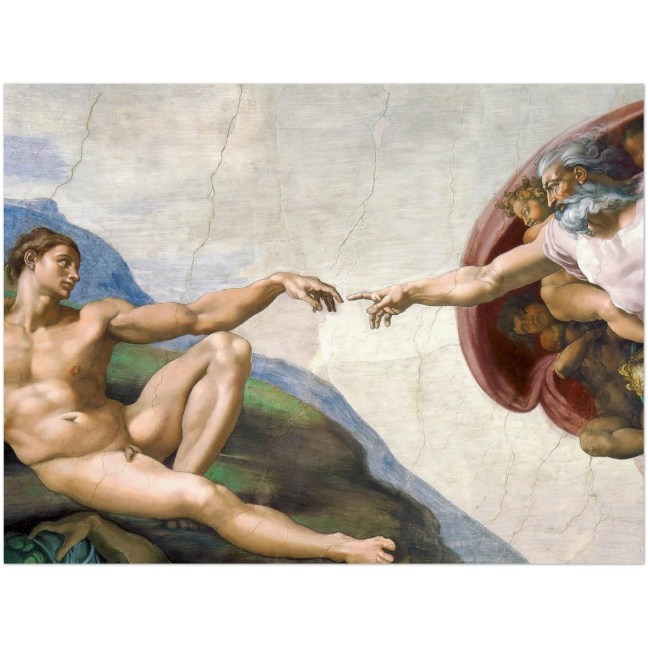
The Narratives of Intent that Lurk Behind the Existential Problem of Overshoot Life on Earth began as a completely random, chemical accident: Initiate. Nucleate. Replicate. Consume. Deplete. Repeat. Die. It is no less than ironic then that, human civilisations have always claimed that they exist “for a reason”: whether it was religion, race supremacy, ecosystem … Continue reading A God for All Intentions, and A Civilisation for All the Wrong Reasons
Humans Never Learned to Cooperate

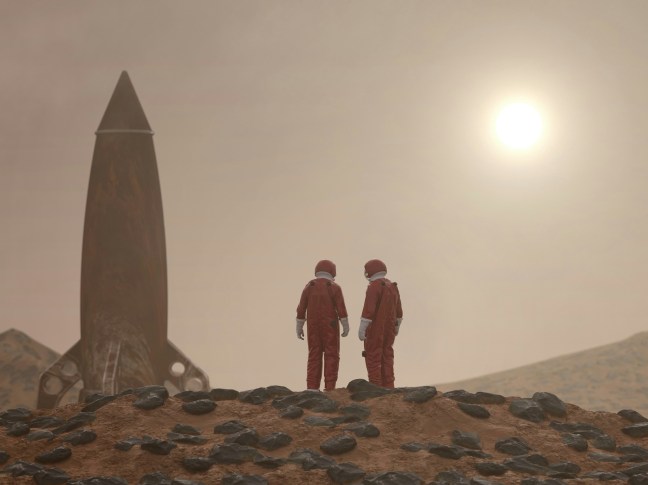
How Our Greatest Strength Became Our Most Destructive Weapon Humans never learned to genuinely cooperate. They simply became good at forming tight clans, mobilising their members against other organised clans, against the planet, and ultimately, against all members of the clan who refused to “cooperate”. Despite all sights, sounds, and events over the past few … Continue reading Humans Never Learned to Cooperate

Is Genocide Nature’s Population Regulation?

What if globally declining fertility is not merely a socioeconomic phenomenon but one of the ways by which the ecosystem responds to an overpopulated human species? And what if genocide is yet another one of those ways? Last week I had the distinct honour of being asked to contribute my own commentary to a soon-to-be-published … Continue reading Is Genocide Nature’s Population Regulation?

When Dreams Leak Into Reality

Where do thoughts go when they die? They end up in our dreams, where they randomly mix with other thoughts, people, places and objects and become actors in bizarre, almost surreal situations. At best, our dreams are the equivalent of “AI slop”: an opportunity for our brain to hallucinate in the safe space of deep sleep. Scientists still … Continue reading When Dreams Leak Into Reality

The Fishbowl Effect

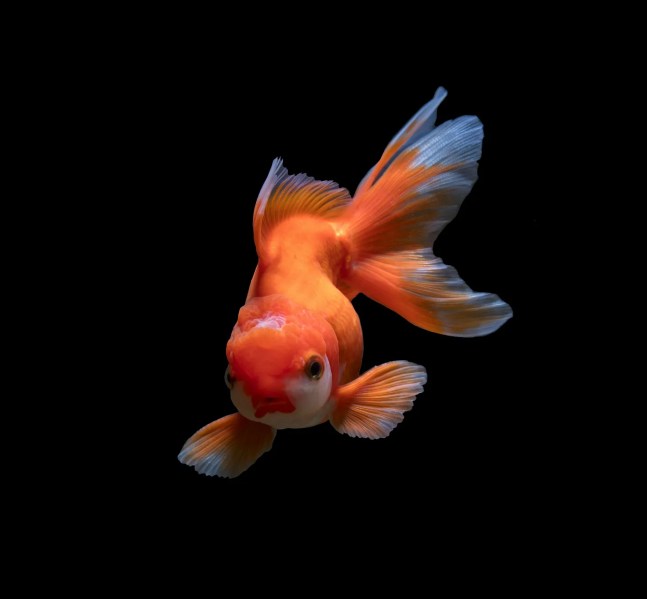
One of the biggest self-delusions of civilisation was the belief that it could one day become a self-contained, self-sustained, and self-sufficient environment for humans to inhabit. Human cities were designed to cater to the optical illusion of abundance of food and shelter, when in fact, they represent the most precarious and fragile environments to live in: … Continue reading The Fishbowl Effect

The Long Flatline: In a Selfish Society, do “Systems” Actually Exist?

The world keeps going about its daily business like a zombie pretending it hasn’t burned out yet. But as it whispers to itself through the flames “this is fine”, the corrosive fumes of an industrial civilisation undergoing autophagy become potent hallucinogens. “This is fine” soon becomes “this is normal”. Whoever thought, one could get so tripped out on … Continue reading The Long Flatline: In a Selfish Society, do “Systems” Actually Exist?

The Second Intelligence Revolution: Distant Learnings from Ancient Data Centres

2 million years ago, an ancient but equally destructive version of the data centre evolved on the planet, and began to consume resources at an incredible, unstoppable, and unsustainable speed: it was the time when the human brain began to experience an almost sudden, incredible expansion in size, giving rise to the First Intelligence Revolution. This … Continue reading The Second Intelligence Revolution: Distant Learnings from Ancient Data Centres

The Collapse Hierarchy of Needs

Whenever there is a collapse, society has two choices: in the first scenario, powerful individuals grab as big a slice as they can from a rapidly diminishing pie and make a run for it in their golden parachutes. In the second scenario, societies come together and try to distribute the pie as calmly, fairly, and … Continue reading The Collapse Hierarchy of Needs

BOOK LAUNCH: The Biology of Collapse

RELEASING: 27 May 2026 KINDLE PRE-ORDER AVAILABLE NOW One of the biggest misconceptions about collapse is that it only concerns the future or present, when in fact, human history is defined as much by its periods of growth as it is by a long list of frequent, spectacular collapse events. Whilst the symptoms of collapse … Continue reading BOOK LAUNCH: The Biology of Collapse