Gaia’s Revenge: Why Humans Are The New Dinosaurs

War precedes the appearance of humans on the planet and, is in fact, as ancient as Earth itself. Every species has known war, and every species has evolved the art of warfare. From human Tomahawk missiles to fungal chemical weapons, wasp attacks and viral particles taking on armies of white blood cells, the best defence … Continue reading Gaia’s Revenge: Why Humans Are The New Dinosaurs

A Future History of Oil

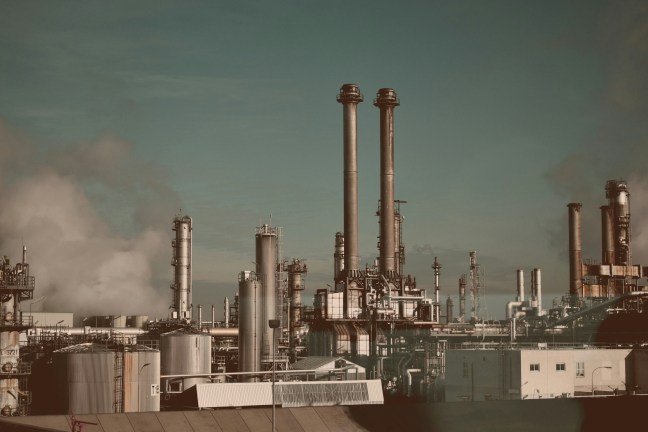
It was the Late Jurassic. Dinosaurs were still around. The planet was covered in very shallow, warm seas full of plant life. But the oceans were so warm that oxygen couldn’t penetrate them. Anything that died took a very long time to decompose without oxygen. As billions of algae and plankton perished and fell to … Continue reading A Future History of Oil

Toxic Biomimicry: How Humans Turned Sunlight into an Industry

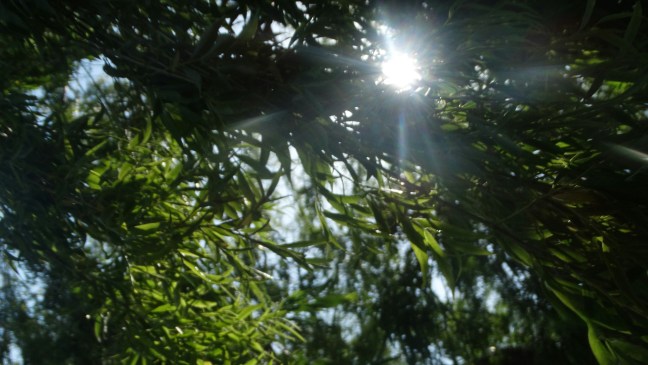
Solar power was never a human technology. It was prototyped 3.5 billion years ago by bacteria, upgraded a billion years later by Earth’s first terraforming civilisation of oxygen-producing microbes, and finally adopted by algae, higher plants and forests as the ecosystem’s official engine. Solar capture became the dominant energy currency on Earth because it was … Continue reading Toxic Biomimicry: How Humans Turned Sunlight into an Industry

How Humans Became Aliens on Their Own Planet — in 600 Words

This is a short piece. The longer essays go much deeper. Ecological consciousness is never a mental asset, but a spiritual muscle that humans lost long ago. It is a language that dies unspoken, a houseplant long forgotten, a desperate bird song coughing itself into a cacophonic abyss of incoming traffic. Nature is here, where … Continue reading How Humans Became Aliens on Their Own Planet — in 600 Words

The Real Reason Why Human Population Must, and Will, Crash

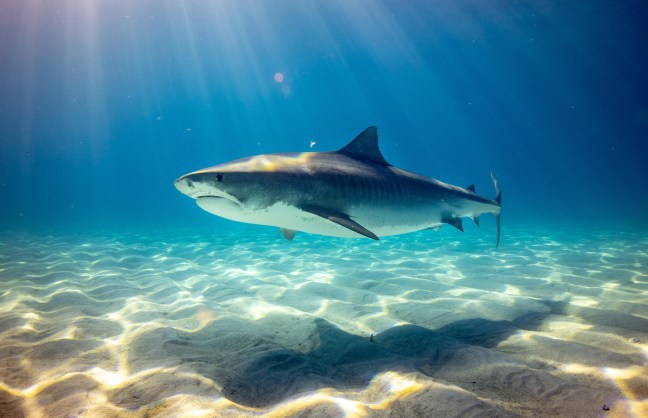
The reason why there are thousands of times more small fish in the ocean compared to sharks is very simple: sharks eat a lot more, so they come at a very high resource cost to the ecosystem. Nature has designed sharks so that they have far fewer viable offspring than smaller fish, not only so … Continue reading The Real Reason Why Human Population Must, and Will, Crash

Conversations with the Afterlife: The Cursed Garden

When I first started gardening, I made one of the most common beginner errors: mistakenly thinking that gardening was all about taking care of plants. It seemed like a perfectly logical assumption at the time, one which however would prove no less than catastrophic just a few months on, as I watched the plant death … Continue reading Conversations with the Afterlife: The Cursed Garden

Transformation Through Collapse: The Parable of The Burning Forest

Civilisations and ecosystems are virtually indistinguishable from each other at times of existential stress: the same laws of scarcity and competition which decimate an ecosystem’s food chain are behind the collapse of a human currency chain. In any interconnected system, whether this is a human society or an ecosystem, the weight of collapse bears down … Continue reading Transformation Through Collapse: The Parable of The Burning Forest

Civilisational Collapse: Your Questions Answered

Thank you all for your enthusiastic response to the Q&A invitation (on substack). I was expecting a mixed bag of random queries, but a very clear theme of topics emerged, which in a way made my response easier. I present my answers to you below along with any relevant links. Where questions have been grouped … Continue reading Civilisational Collapse: Your Questions Answered

Pumpkinomics: Why It Is Better Than Economics

Science has become a tool for validating existing dogmas rather than querying them out of existence. As universities bend the knee to their oligarch sponsors, we are depriving ourselves of the one quality we used to take pride in: the ability to think, search, discover. Educational institutions long ago became sterile, inward-looking businesses more concerned with their … Continue reading Pumpkinomics: Why It Is Better Than Economics

Replacement Economics: The Scam That Saved Capitalism

Time is never kind to someone who can only pretend to save themselves. As humans continue to throw smoke and mirrors at the fireball of overshoot, all they can expect back is extinction. If there was ever a chance of keeping this planet habitable it wouldn't be through renewables, but through tackling the worst type … Continue reading Replacement Economics: The Scam That Saved Capitalism