When I first started gardening, I made one of the most common beginner errors: mistakenly thinking that gardening was all about taking care of plants. It seemed like a perfectly logical assumption at the time, one which however would prove no less than catastrophic just a few months on, as I watched the plant death toll climb. My garden became a conveyor belt of healthy plants going in, corpses coming out. This was hardly a garden, but some type of boot camp for plants that was so unsurvivable, it was as if it had been designed by ICE to exterminate them.
Apart from emotionally distressing, this was embarrassing to say the least. I was a plant biologist with a master’s degree “from America” for crying out loud, having studied in one of the top 10 academic programs in the world. Stubbornly refusing to see what was happening, I convinced myself that it was neither my fault nor that of the plants: I had simply inherited a cursed garden. There was just something about this particular garden that made every plant, except roses and oleanders, die a slow, mysterious and very public death while me and other tenants looked on, as new plant arrivals went through a single season starting green before gradually turning brown, then black. It would take a few more deaths, and then quite a few more after that, before I finally fell off my high horse and started paying attention.
The George Tsakraklides View is a reader-supported publication. To receive new posts and support my work, consider becoming a free or paid subscriber.
My mistake? Failing to recognize that gardening is not about taking care of plants, but taking care of the soil. Because when you take care of the soil, you are taking care of an entire ecosystem that cuts across kingdoms and classes: from bacteria, yeasts, fungi, reptiles and insects and up to the higher orders of plants and animals, the soil is where it all begins, and where it all ends. By taking care of the soil, you are creating a welcoming place for your plants: one where there is a good cycling of nutrients, a host of partnerships with fungi and beneficial insects they can take advantage of, and even pollinators who will safeguard the next generation of plants. The secret to a good garden is very simple: it’s all in the dirt.
But of course, what would a plant biologist like me know about all this anyway? I had spent three years in grad school working on a thesis locked up in a biotech laboratory, not an outdoor setting. I had grown my specimens in big environmental control chambers plugged into a socket on the wall, where genetically-modified “frankenplants” were monitored and grown under strict soil, temperature and light conditions. This was hardly a garden, but a monoculture where fungi, insects and even bacteria were banned from existence, and where these frankenplants were subjected to artificial light, sterilized water, and a fake photoperiod to trick them into thinking they were outside, in whatever month of the year you had selected in the control panel settings. One day, humans will be grown in these things. They won’t even know what “outside” means, because they would have never seen it. In many ways, we are there already.
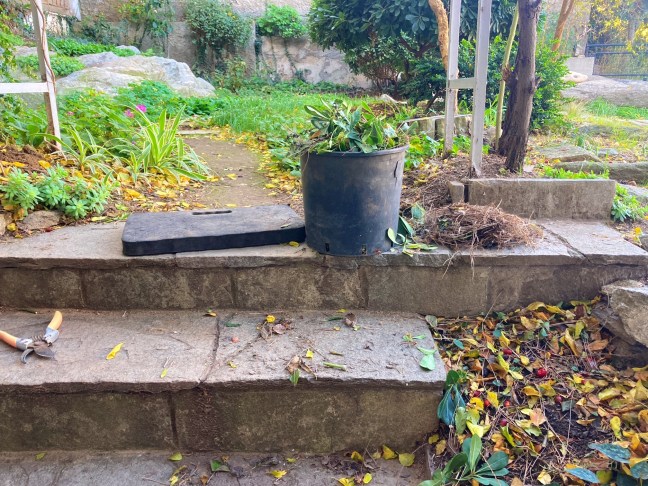
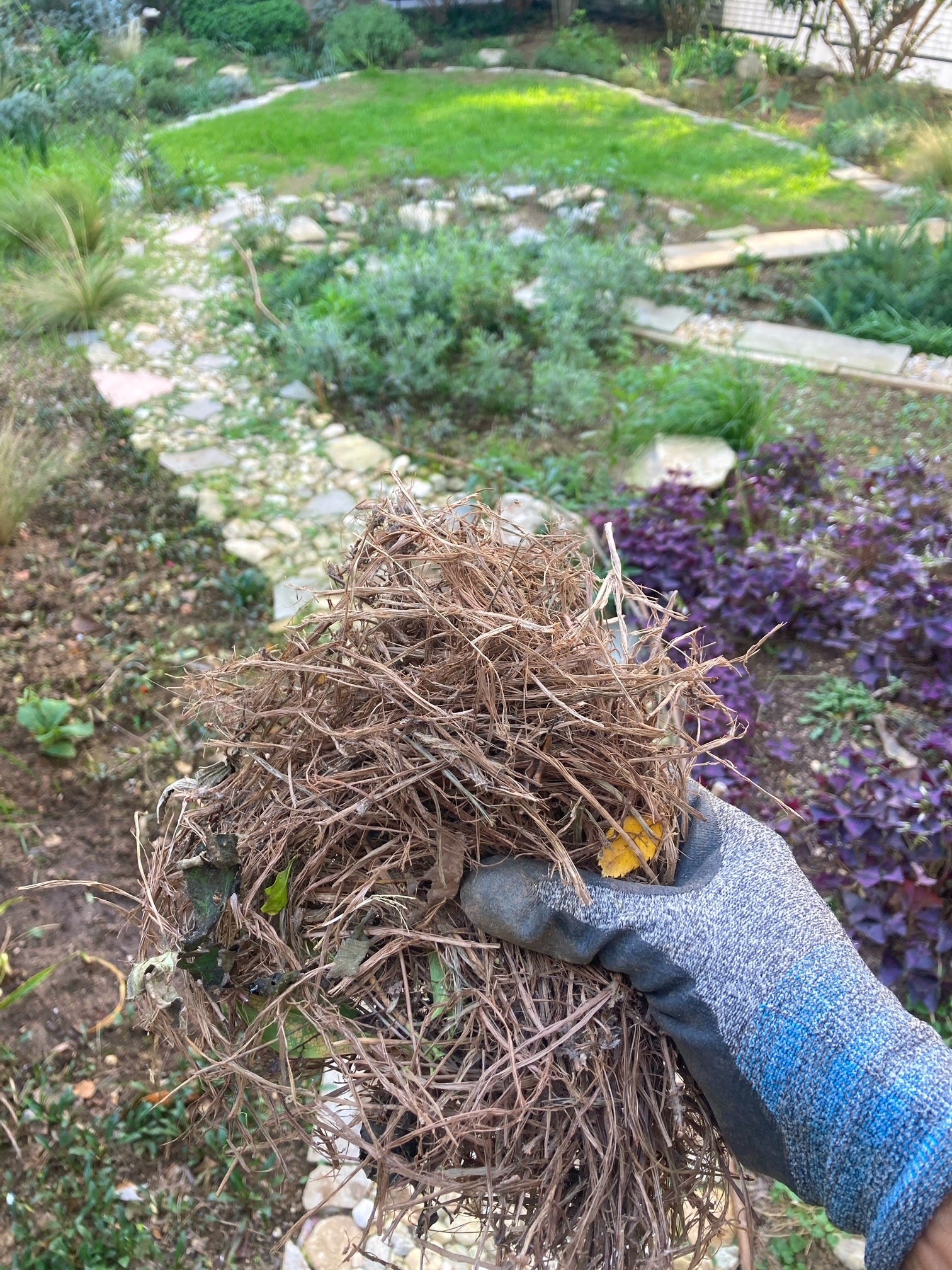
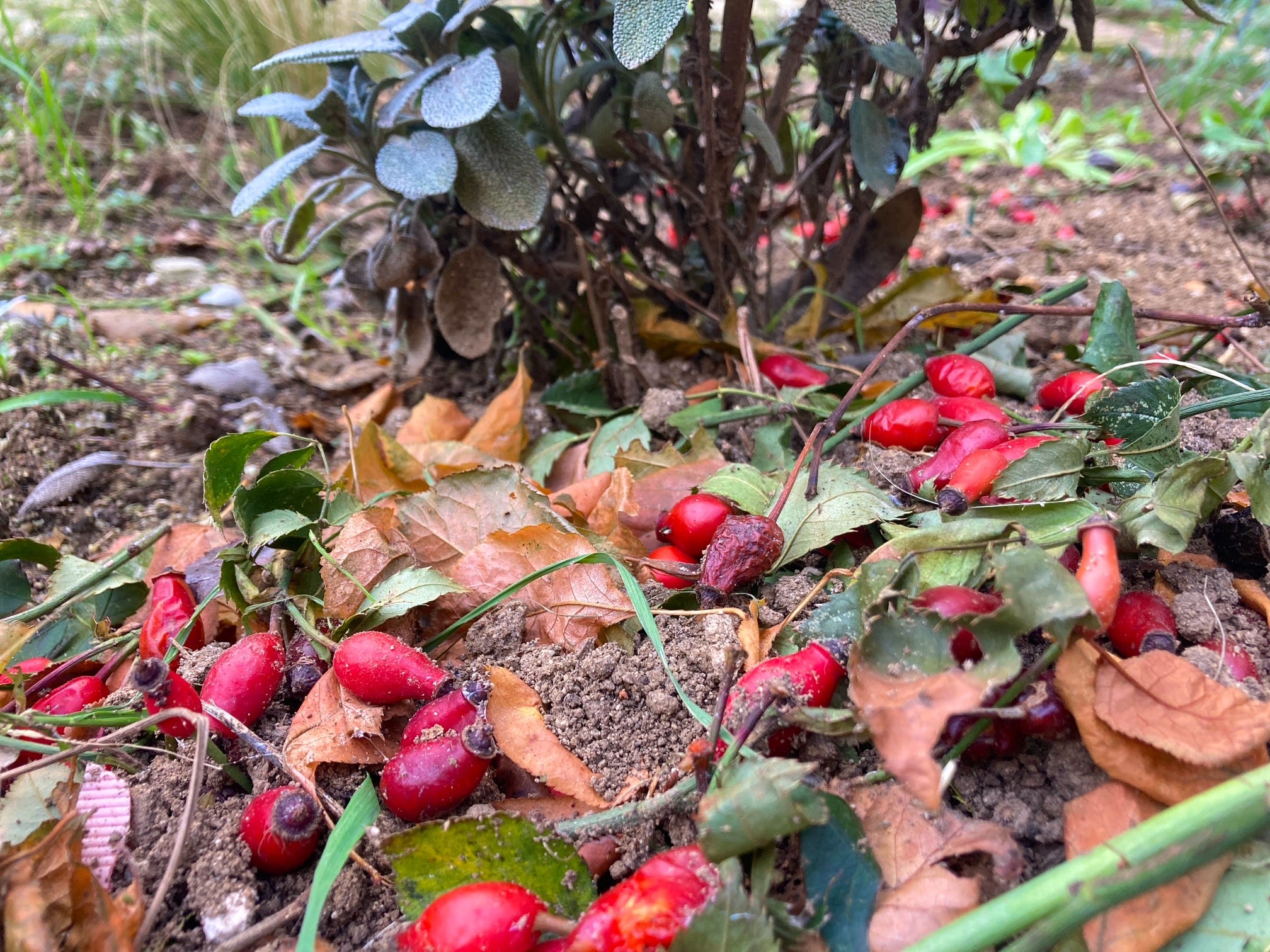
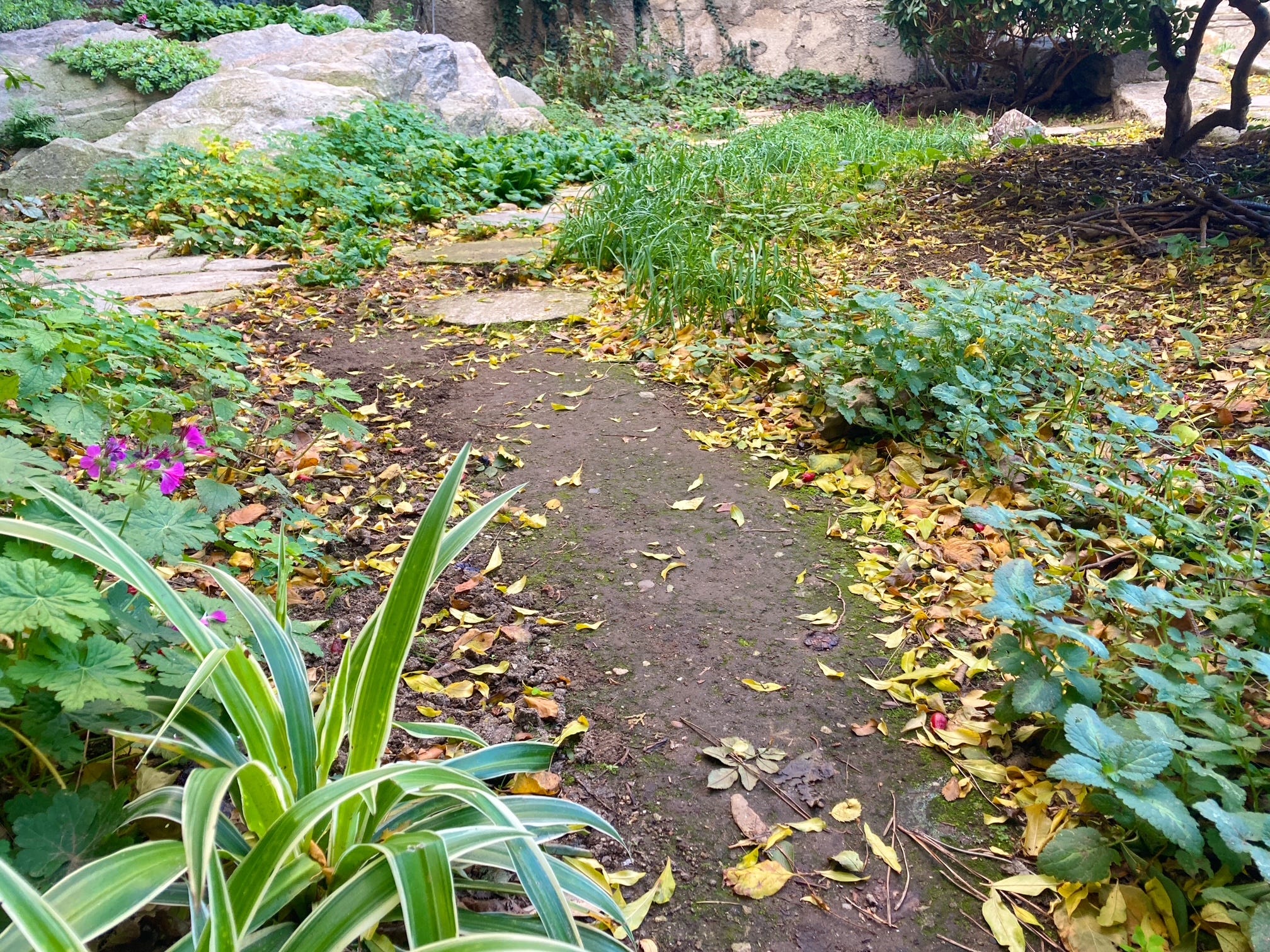
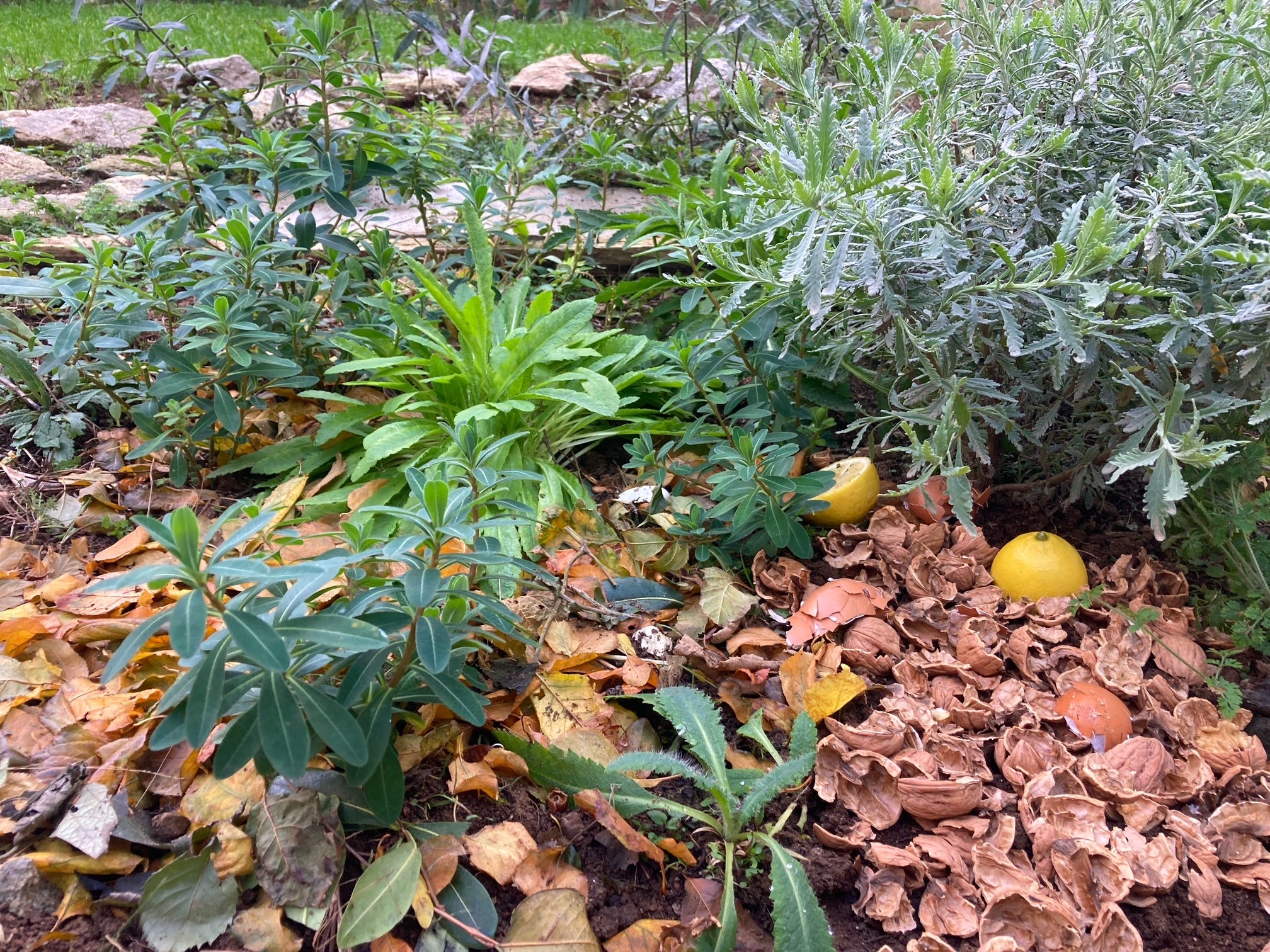
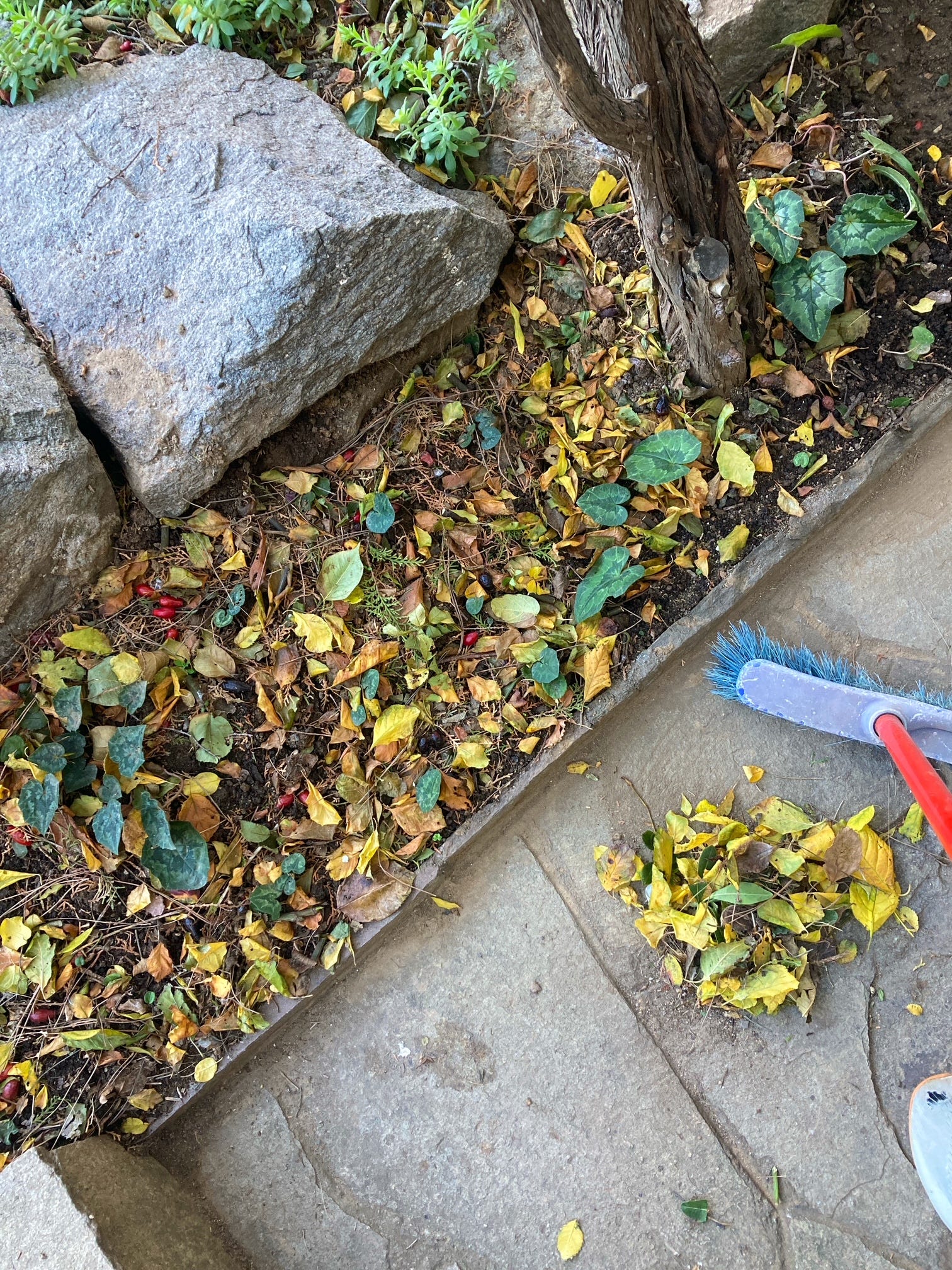
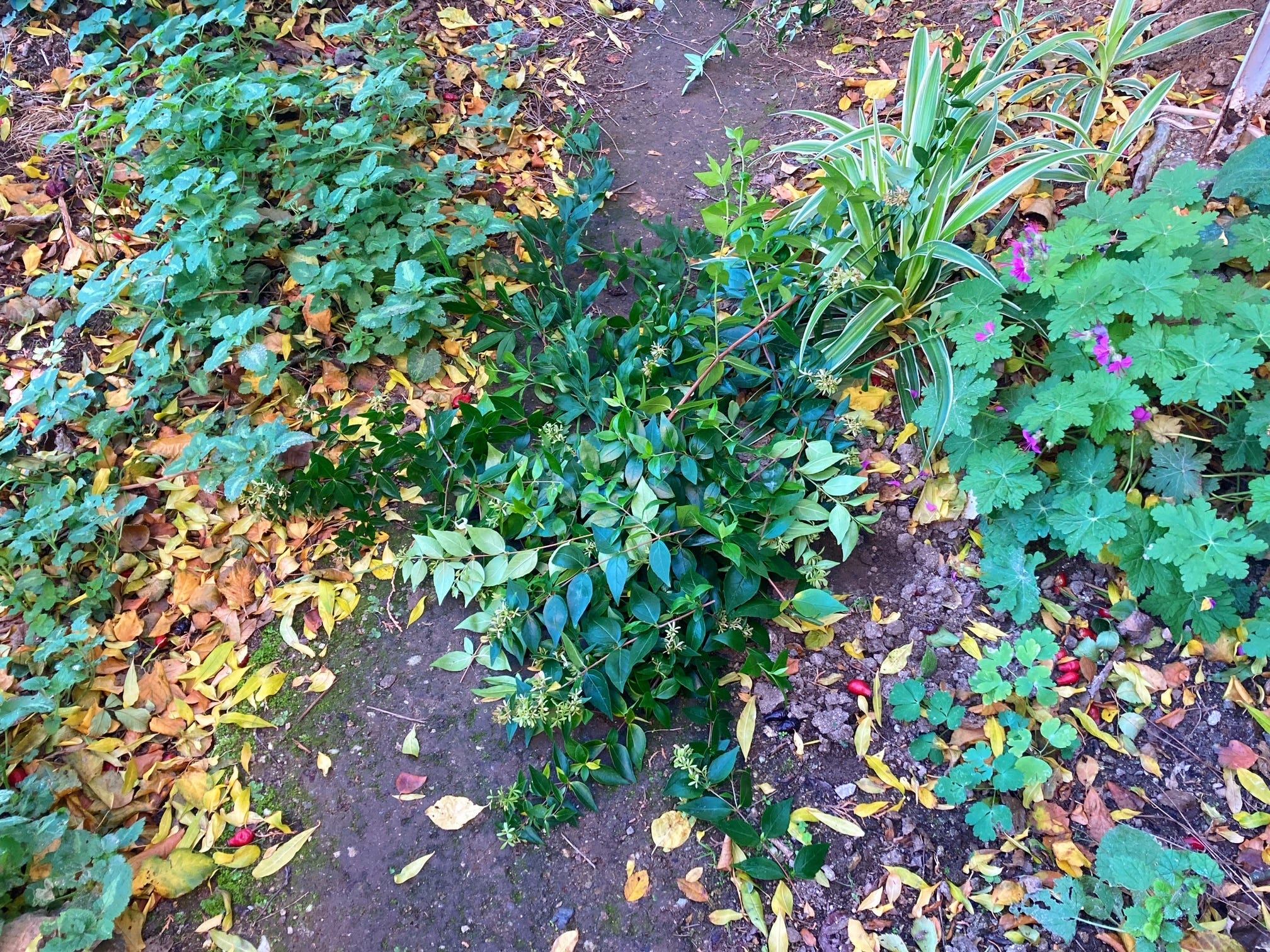
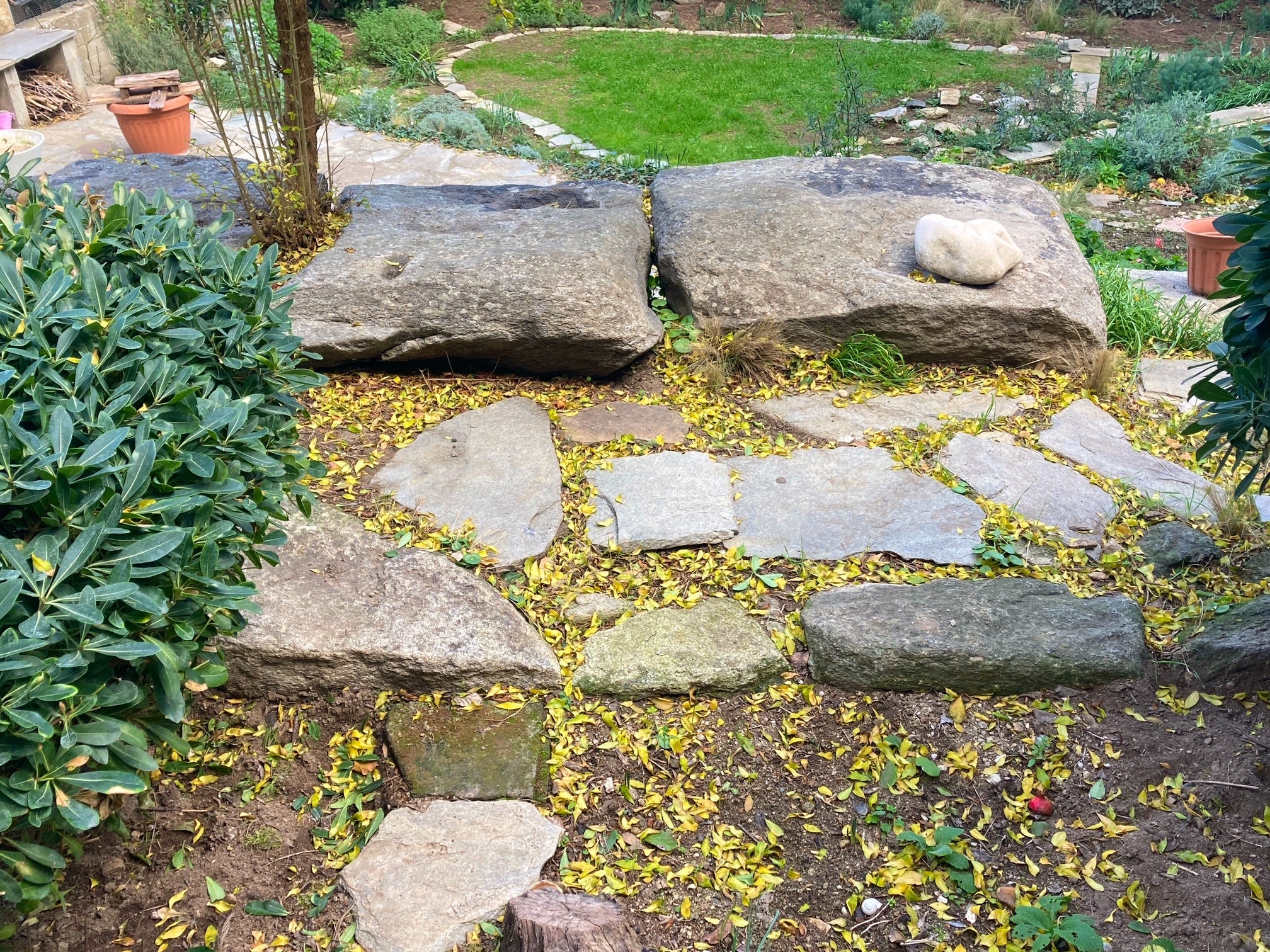
My re-education into plant biology was slow and brutal, because I had to unlearn everything my sterilised degree had taught me. I had to stop focusing on plants and concentrate on the ecosystem instead: start seeing the forest, not the trees. Six years on, I can safely say that, although I am now successfully hosting almost 200 native and non-native plant species, about 75% of my time and labour in this big garden is invested not in taking care of plants, but taking care of the soil. December is one of my absolute favourite months of the year because I get to play in the dirt: gathering fallen leaves, cuttings, fruit, bark, anything I can compost and re-introduce into the soil. It is a beautiful coincidence that this task comes at the end of the year, a time when most of us are tidying up our own mental gardens: taking stock of the past 12 months and trying to make sense of our life and the world. We decide on what was good, what wasn’t, what to keep, what to compost, what to upcycle and reuse. In a collapsing climate and environment, composting is my big consolation because even if the world may no longer make sense, returning these nutrients to the soil does: some life form somewhere will find use for them, and I will have played a part in it. A caterpillar may spend its entire winter sheltered under a fallen leaf, before it becomes a butterfly. Human civilisation may be collapsing but nature continually resets itself as it always has, for thousands, millions of cycles.
By making myself part of this process I am resetting myself as well. Any full-time gardener knows that composting is not a task, but a deeply symbolic ritual. New life always depends on the decomposition of the previous one. The dark spaces under bushes and into the damp corners of the garden are not cemeteries, but the busiest places in the ecosystem where life and death cross paths. It is here, in this moist darkness, where life reorganises itself and begins, anew.
Composting is not only for leaf mulch. Anything organic can be composted. There was a time when I would dump prunings in the trash, not knowing what to do with them. Now they end up in compost piles placed strategically across the garden where they slowly decompose, while at the same time providing a habitat for insects and reptiles. As nutrients return to the soil, the organic biomass of the garden increases year by year which means better plants, which means even more biomass for the following year. This plant purgatory has come a long way into slowly becoming a plant sanctuary. I dream of the day when there will be no need for gardens, because humans will be gone and nature will become the gardener again, as it always had been. We’ve given this gardening job a try, and we failed. Better hand in our resignation from our head gardening position, pronto.
This is a reader-supported publication. To receive new posts and support my work, consider becoming a free or paid subscriber.
Discover more from George Tsakraklides
Subscribe to get the latest posts sent to your email.
 George Tsakraklides
Wow that’s a great article, how big is your garden? We only have a small one now since we downsized a few years ago and have much smaller yard, I miss composting a lot!
It’s not my garden, it belongs to the entire block but I am the only one who takes care of it. I haven’t measured it but it is pretty big, and with very distinct microenvironments. I’ll post more images in the future.