
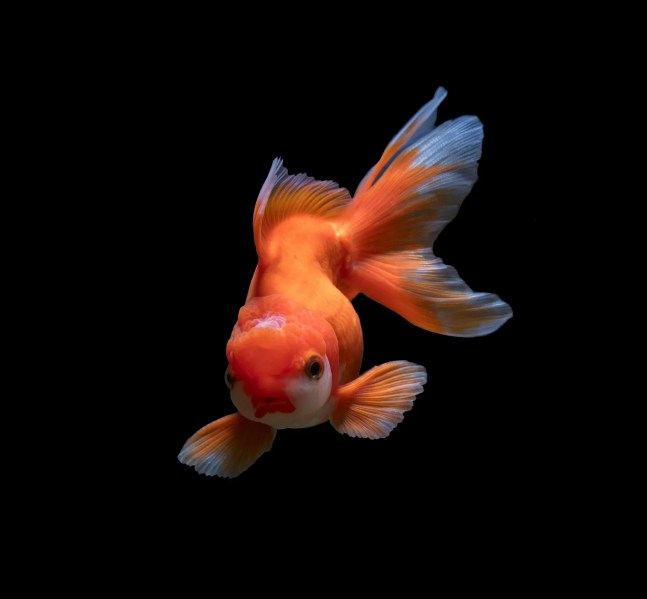
One of the biggest self-delusions of civilisation was the belief that it could one day become a self-contained, self-sustained, and self-sufficient environment for humans to inhabit. Human cities were designed to cater to the optical illusion of abundance of food and shelter, when in fact, they represent the most precarious and fragile environments to live in: food is imported into the city from far away resulting in price inflation and low nutritional quality. Crowding results in pollution, stress, and low quality of life. And as for shelter, it is simply unaffordable, and increasingly impossible.
And yet, the more urbanized human society became, the more it started believing its own lie: that it lives in a time of peak abundance, when in fact, it had been living a fishbowl existence: without a fresh, external supply of water and food, it can die within days. In my book The Unhappiness Machine I compared human civilisation to a Rolls Royce that had evolved from a wheelbarrow: the more intricate, and therefore fragile, our civilisations are, the more impossible it becomes to troubleshoot them at a time of crisis, because with each increase in system complexity, the number of possible ways in which a system can fail increases in an exponential manner. These are no longer “civilisations”, but Rubik’s cubes: the more you try to solve them, the more you make a mess.
But the fishbowl illusion this civilisation lives in is both literal and perceptual. The great paradox of civilisation is that the more advanced it becomes, the bolder its delusion of self-sufficiency gets. As it grows and evolves, the walls of the fishbowl grow thicker and thicker, until the civilisation is unable to see the context within which it operates: Earth. It begins to believe the lie, that it is not only the center of the Universe, but the Universe itself.
The fishbowl effect is a form of systemic blindness that plagues all of our power, economic, and social institutions. It affects us both collectively and personally, and prohibits us from recognizing system-level risks because it blinds us to the system itself: what we regard as the “system”, is in fact, our own little perceptual fishbowl Universe. Two parallel universes can coexist for a while, but eventually there comes a point when one of them shatters.
Thank you for reading. By joining other paid subscribers you can help this work continue. Thank you to all existing supporters, I couldn’t continue this without you.
Discover more from George Tsakraklides
Subscribe to get the latest posts sent to your email.

