
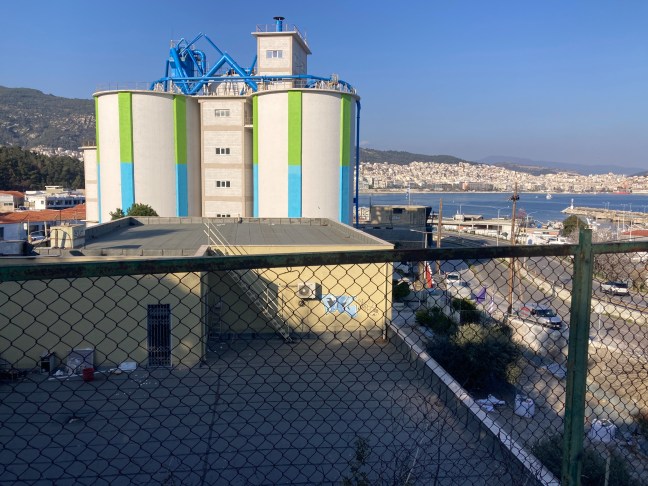
I grew up right next to a cement factory. It is a huge building, by far the tallest structure in my side of town. As a toddler I was secretly in love with this building: it was my first and only real-life experience of industrial architecture: the chimneys, the silos, metal scaffoldings on the outside, and scary “Do Not Enter” or “Danger” signs. They all belonged in a world of their own, the world of “industry”. Factories were scary, but cool at the same time. To a child.
Whenever my father drove by the factory on the way into town, I looked up into the building and imagined men with hardhats and uniforms walking up and down the structure, busy working on things and taking important decisions like minions on a LEGO set. But strangely I never saw any of them, instead, all I ever saw was a massive, silent, monolithic building, standing imposingly over the bay of my small town. The company had painted it the ugliest colour, presumably to make it disappear into the landscape: it was virtually the same colour as the brown paper bags in which the cement came, a colour I can only describe as cat poo on the more grey side. Depending on the weather, it could take as moody a hue as grey-brown, or as light as “bright, lemon-puke ochre”. Whatever it was, it was the type of colour that would never need a fresh lick of paint: it was so abysmally depressing that soot, pollution and any other stains merged right into it, disappearing onto its complexion and becoming a permanent part of the camouflage.
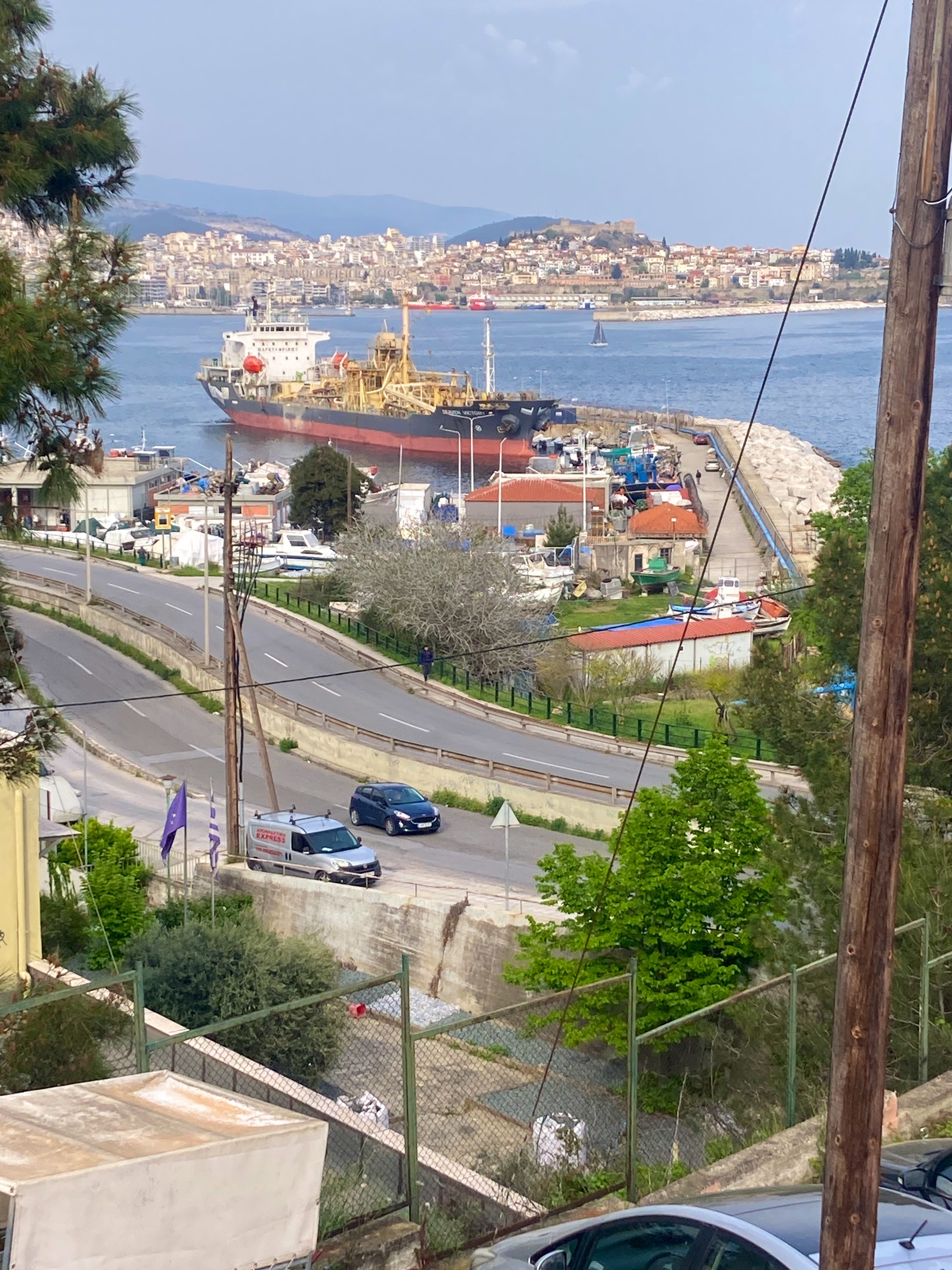
The factory was part of a matching set that included a highway overpass, loading dock station, and a medium sized supertanker waiting in the port to receive thousands of sacks of freshly prepared cement powder. It was a real-life LEGO set situated right in my back yard, and I was able to observe what went on in the port straight from my bedroom window. On busy days mysterious, deep, echoing, sounds would come from the direction of the factory, and the lights would stay on all night. Sometimes a low-level frequency could be heard for days as the ship was prepared for loading and the conveyor belt delivered thousands of heavy sacks of fine, grey cement powder that was lighter than flour. But most of the time, the port was empty. I imagined the tanker roaming the world, unloading cement all over the planet to make more of humanity: more buildings, more roads, and more cement factories.
The presence of the factory in our neighbourhood was never mentioned or discussed by the local community. Industry always finds a way to anonymize itself and fade into the background. It becomes the dirty back office of civilisation, keeping us hostage to progress. Without cement, there is nothing. It is the plasticene that the human world is made of. This choke-worthy grey powder is more precious than gold.
I developed asthma from a very early age. It was never serious. I tolerated my breathlessness in much the same way this civilisation tolerates the toxic by-products of its self-defecation. The factory is still there, more than 45 years on. It towers over a strip mall that constantly teeters on insolvency, a couple of supermarkets, the high courts of justice, and a world-famous fish market.
And my house.
The real LEGO of humanity is never a matching set. It is a conurbation of random objects that coagulated not through planning or design, but based on a “first come, first build” basis. This used to be an industrial district many decades ago, and the cement factory is the only surviving relic. Today you can go take a yoga class at the gym 10 metres from the factory, then pick up a loaf of bread from the hipster bakery next door. Don’t worry, they use real flour, made of wheat, not cement powder, bar the occasional day when the bakery sits downwind from the factory and the bread comes out of the oven a bit on the firmer, greyer side. What doesn’t kill you makes you stronger.
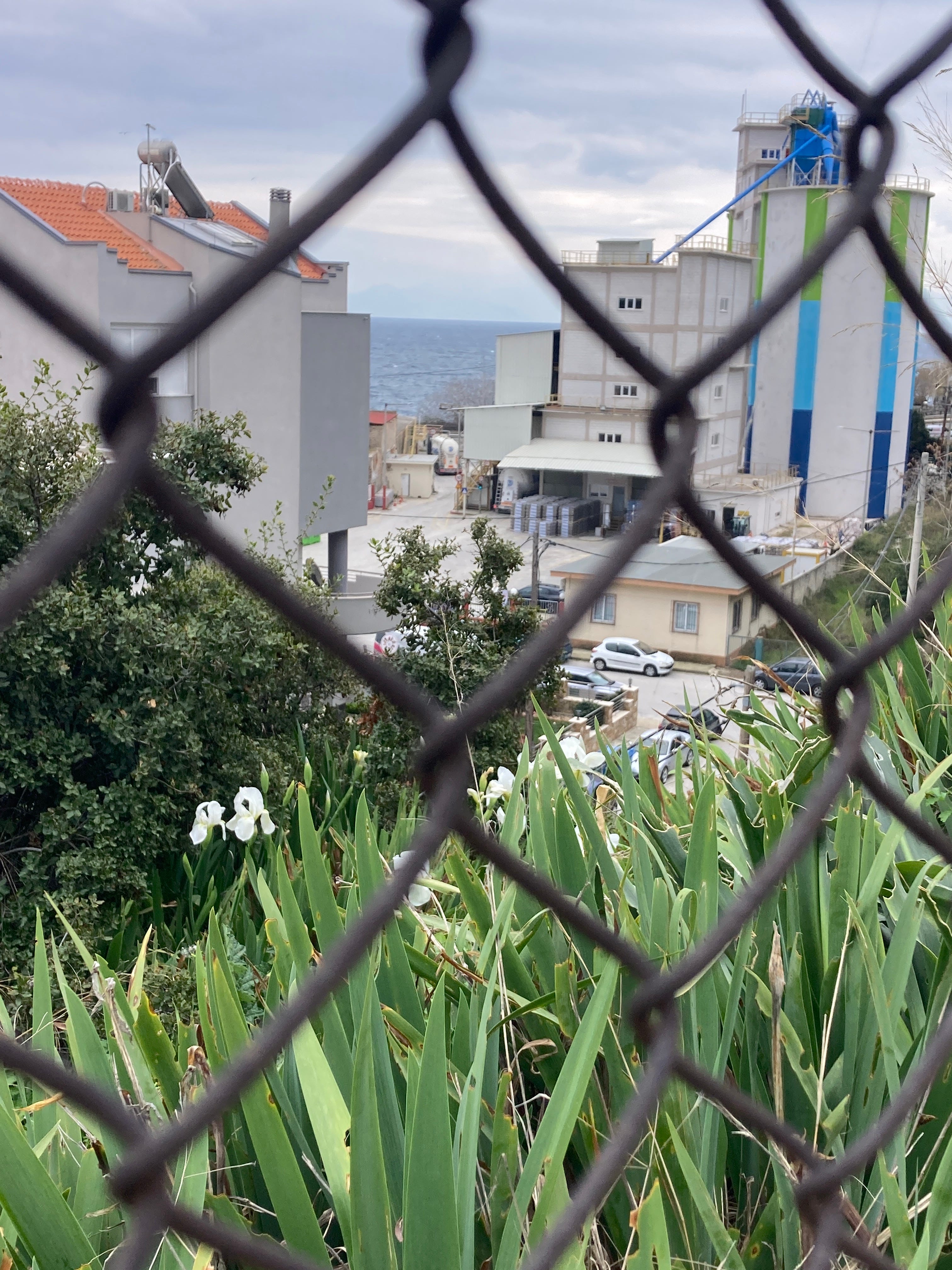
I moved back to my house after more than three decades away, to find that the factory had been given quite the rebrand: like many other factories across the world, the huge structure was given a decorative paint job: huge blue and green stripes, the colours of sustainability greenwashing. The tanker looks the same. I still haven’t seen a single worker on site, except for their cars in the parking lot. And the strange, low-frequency noise is getting much, much louder, one of these days it will start shattering glass windows. Maybe when the glass shatters is when we all realise we have been living inside a tiny snow globe: little LEGO figures running all over the place, multiplying and shitting on themselves, until the snow turned grey. Cement grey.
This is a reader-supported publication. To receive new posts and support my work, consider becoming a free or paid subscriber.
Discover more from George Tsakraklides
Subscribe to get the latest posts sent to your email.

