Had we been too quick to roll out the red carpet for technology? Had we passively accepted all the conveniences for the price of saying goodbye, forever, to essential parts of our biological being? Like a patient waking up in an operating theatre wondering whether all their parts are still in place, humanity found itself one morning changed, modified, “optimized” to fit into its new prosthetic life. We suddenly felt some of our parts had gone missing. But we didn’t even know which ones, because we couldn’t remember anything. It was too late. Everything fit together like a glove, but it still didn’t feel right. It wasn’t the same. We were not ourselves anymore. We had become something else altogether.
However much technology may surround and support us, deep inside we are still made up of flesh, blood, emotions and dreams. Like a real parasite, each successive technological virus bypasses our innermost “human” needs in exchange for benefits which alleviate any severe side-effects of the technology on its host human. We end up embracing the virus while simultaneously numbing ourselves to our internal alarms. Putting aside the dazzling array of consumeristic and other benefits we reaped through technology, are we fundamentally happier than the generations before us? Or have we sacrificed too much of the human inside the human? Is this patient having post-operative regrets?
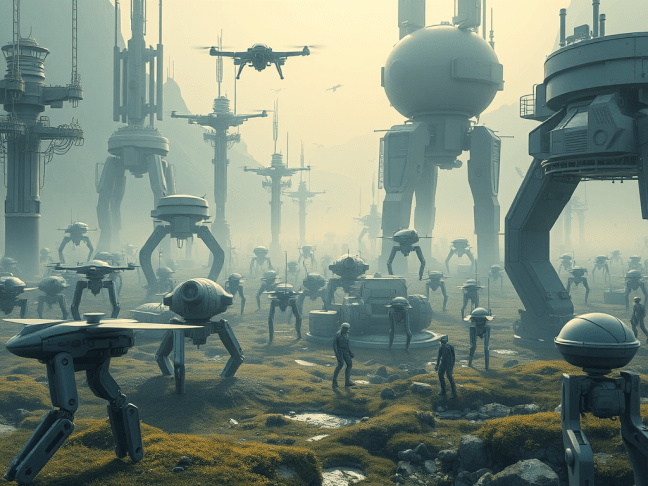
Today these questions remain unanswered as technological evolution accelerates at breakneck speed, leaving us to eat dust while it disappears into the distance. Yet we have completely embraced what is happening to us, maybe because many of us feel we can do little but accept it, or because we cannot fathom ourselves outside of the realm of technology anymore. It is easy to argue that we have been demoted, turned into peripheral hardware accessories within a much more efficient, non-DNA-based AI civilization. Is this the beginning of the end?
It is easy to look at this situation and concur that it is already too late to feel human again. We have arguably become too tech dependent. But as long as humans are made of flesh, blood, emotions and dreams, they will have needs which are vastly different to those of machines. We are not machines, and this is precisely the mistake we have been making: comparing ourselves to them in much the same way a lover looks up to their subject of infatuation. In a fashion typical to that of any blind, lovestruck human, we have given ourselves an inferiority complex towards the object of our affection. Many of us are desperate to become machines: efficient, productive, multitasking superhumans who never blink an eye. The corporate world is full of unhealthy stereotypes of what a successful professional is, using criteria much more applicable to machines than humans.
To understand what is happening to us and answer all these questions, it is important to remember who we were millennia ago when our unconditional love affair with technology was only just beginning. In the same way that we rejected and destroyed natural wilderness, we gradually rejected our “non-machine” qualities. Our civilization developed an inferiority complex against technology and a paranoid fear of missing out on yet-to-be-developed innovations. We are rejecting more and more of our most human attributes, just as AI is about to desert us and gallop into the future. Humans are increasingly inhabiting a strange and precarious no man’s land between man and machine. It is a dangerous moment in our history.
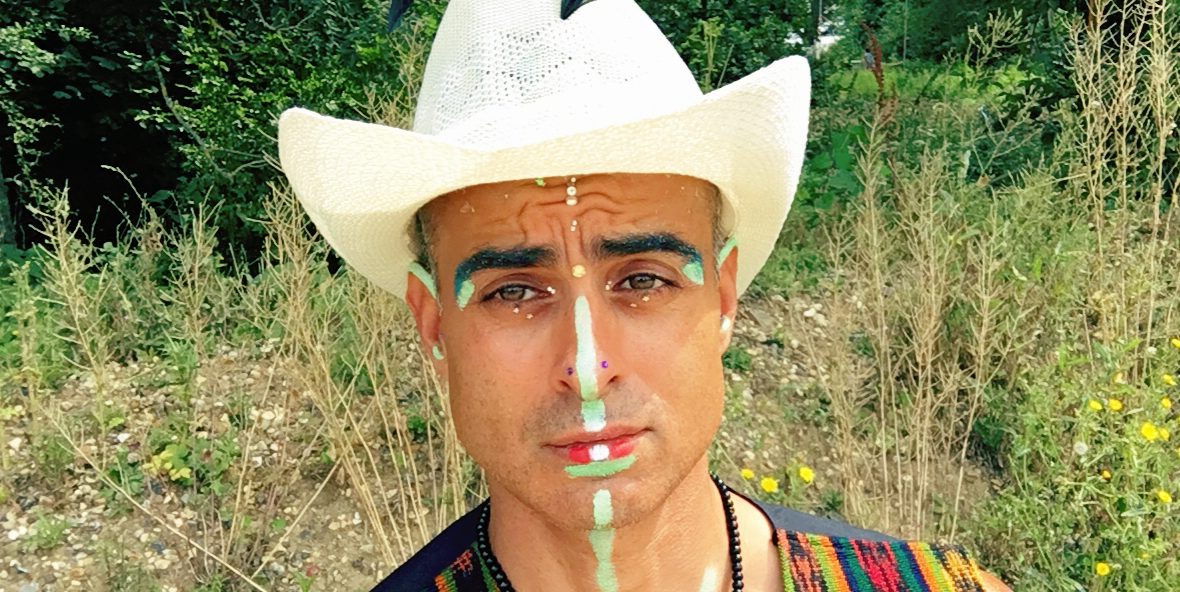
George is an author, researcher, molecular biologist and food scientist.
Follow me on Bluesky @tsakraklides.bsky.social
Discover my Books Here
Note to my readers: I keep my site FREE because it’s not right to paywall existentially important content during an existential crisis. But if you appreciate any of the work I’ve done over the years, please consider joining as a paid subscriber so it can continue! I have minimal overheads, no sponsors to sell myself to, bosses who tell me what to write, or staff I have to pay. It’s just me. This freedom does mean though that your support is vital. Thank you so much.
Discover more from George Tsakraklides
Subscribe to get the latest posts sent to your email.
 George Tsakraklides