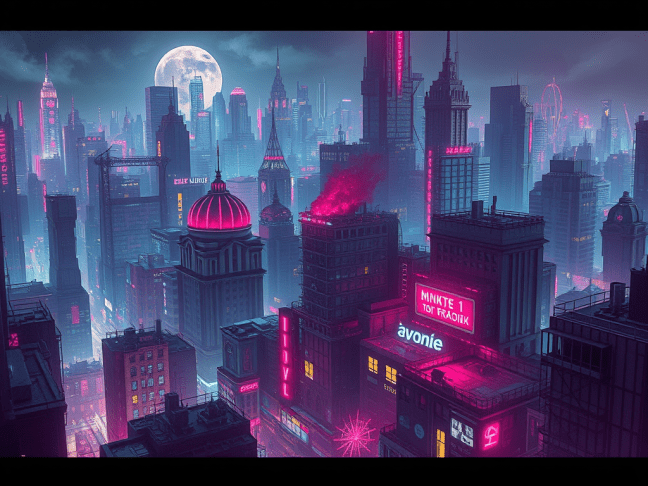
For young humans, everything outside the city was nothing but a cheap resource to exploit. Their arrogance grew day by day as they entered a downward spiral of addiction and mental illness exacerbated by the city itself. Instead of abandoning their concrete fortress and returning to the village, they would choose to stay here in this concrete hell, and somehow build their life upon and around their mounting addictions, obsessions, and psychoses. To work around their mental turmoil, they would in fact end up creating a civilization where all of their psychoses were not only considered normal, but would eventually become useful skills.
It was these very skills which would form the bedrock of social and political organisation. In this new society, the most psychotic and unstable personalities were welcomed and, would in fact thrive and attain leadership positions. They would be the most successful individuals, leading the way for a new society which quickly forgot about happiness altogether and instead prioritized a transactional existence within its newly-built, soul-destroying cities. These highly psychotic, highly successful individuals, would keep the city going and ensure the growth of humanity’s economic system: The Psychonomy. The Psychonomy was a place where everyone could finally act their worst and pretend their best. It was a place where even your worst psychosis was a hidden talent waiting to blossom.
But the problem with highly urbanized societies was that personal happiness was defined largely by comparison to the closest neighbour’s possessions and achievements. This version of happiness was of course a trap, as there was always another neighbour who had more wealth. Real happiness therefore became perpetually unattainable. The city’s residents would consequently sink into further mental illness, which drove them into more addictions as they lapsed into even more psychotic behaviour.
This of course only made the psychonomy stronger, more diverse, more resilient. It began to grow along with humanity’s escalating psychoses, forming an intricate and increasingly specialised economic web of mutual exploitation among its members. Civilisation became incredibly complex and psychotic at the same time.
Today, humans have resigned themselves to the anxiety, depression, greed and loneliness they brought upon themselves. Our civilisation is almost exclusively powered by a wide assortment of mental illnesses, masterfully disguised and rebranded as skills, talents and inclinations. This is why even those successful often feel that something is missing: their long-gone sanity. This civilisation reinforces and encourages both our benign talents and dangerous psychoses to equal extents, as long as there’s a use for them within the capitalist marketplace. Many of us ultimately make a career out of the multiple psychoses that our large, complex brain unavoidably came with.
If at any point a citizen of the city wakes up and realizes that they are in fact mentally unstable, there are many painkillers which can help them go back to their “happy” sleep: drugs, alcohol, Netflix, and an endless, almost infinite assortment of consumer products which will distract them and momentarily reward them for being such a “good sport” and taking all of this mentally-burdening urban abuse on the chin.
In time, the city dwellers became a proud race of humans who had come to terms with their own escalating mental illness and the adversity of the city environment. They considered themselves heroes, rather than traumatized animals who had gone into denial.
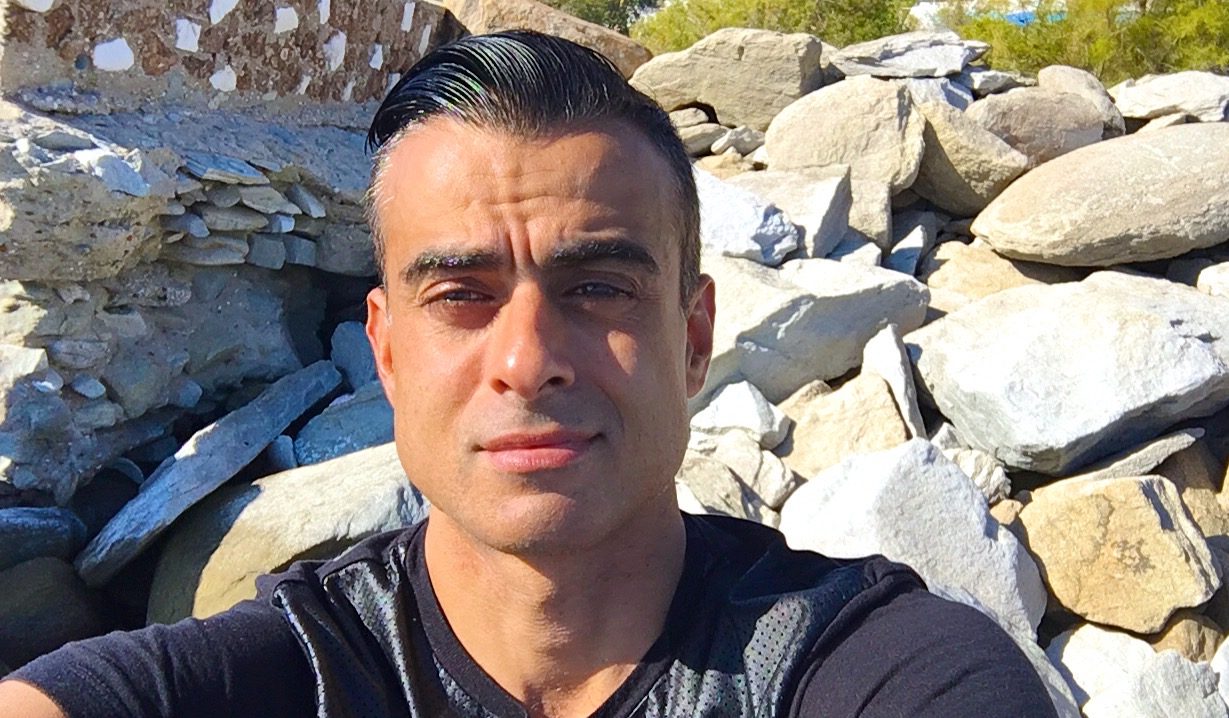
George is an author, researcher, molecular biologist and food scientist.
Follow me on tsakraklides.bsky.social
Discover my Books Here
Note to my readers: I keep my site FREE because it’s not right to paywall existentially important content during an existential crisis. But if you appreciate any of the work I’ve done over the years, please consider joining as a paid subscriber so it can continue! I have minimal overheads, no sponsors to sell myself to, bosses who tell me what to write, or staff I have to pay. It’s just me. This freedom does mean though that your support is vital. Thank you so much.
Discover more from George Tsakraklides
Subscribe to get the latest posts sent to your email.
 George Tsakraklides