
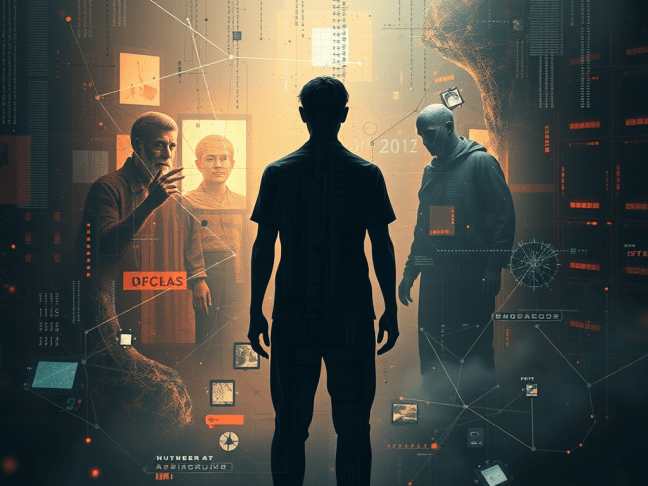
Our curiosity into ourselves has been running at a much slower pace than the one at which we have been merging with technology. Although technology is helping us discover ourselves, it also filters and distorts reality. There is less and less inquiry about how we, humans, are coping in a rapidly changing world. Without a pause, a temperature check and a reconnection to the present it is no wonder we feel as if we are inhabiting a video game. It seems that the video game has become more important than the characters in it. We have been reduced to moving pixels.
Those who feel the most alienated are the ones with their senses still intact. They know that “something is off” but are unable to access and analyse it, mostly because it is the result of events that took place long before they were born. This very strange sensation is typical of inter-generational trauma. Trauma from successive technological viruses experienced by our ancestors can become compounded and accumulated in subsequent generations, manifesting itself in feelings of existential alienation and dread. As humans hurried frantically from one technological revolution to the next, some of our parts never made it to the finish line. We arrived into the present dismembered, only to seek salvation in yet more technologies that would hopefully put us back together. They failed to do so.
This is a pattern of self-harm reminiscent of repeat co-dependent relationships: the victim attempts to deal with the original trauma by going back for more, entering yet another bad relationship with an abusive partner and inflicting upon themselves new trauma each time. As they do, they sink further into desperation, toxic coping strategies and addictions. Our co-dependent relationship with technology is haunting us through the centuries.
George is an author, researcher, molecular biologist and food scientist.
Follow me on Bluesky @tsakraklides.bsky.social
Discover my Books Here
Note to my readers: I keep my site FREE because it’s not right to paywall existentially important content during an existential crisis. But if you appreciate any of the work I’ve done over the years, please consider joining as a paid subscriber so it can continue! I have minimal overheads, no sponsors to sell myself to, bosses who tell me what to write, or staff I have to pay. It’s just me. This freedom does mean though that your support is vital. Thank you so much.
Discover more from George Tsakraklides
Subscribe to get the latest posts sent to your email.
 George Tsakraklides
Brilliant writing and incisive to the quick in our existential crisis as we sail past the breaking point and search for a healing journey. With a deeply mentally ill president at the helm, or at least ravaging the wheelhouse, we must unite with fellows of a like mind, seers of the near/far future, prescient ones like ourselves. Perhaps, a great awakening is occurring in a time when even being awake (“woke’) is under attack from the powerful forces of “necrocapitalism” (your word and I love it!). Know that you are not alone and I will read everything you’re writing, and with gusto. Have a blessed day! Gregg Miklashek, MD
I think we are endlessly curious about ourselves, and I have several books on my “to be read” list about ourselves in this technological world. The existence of the arts, philosophy, and humanities is owed to our curiosity about ourselves. We just don’t have the technology to understand ourselves as well as we understand the outer world. I fear the biggest barrier we have to understanding ourselves is that we fear if we look too closely we won’t be able to justify our belief in free will. I do agree with you that the benefits and harms of technology have been very unevenly distributed; if we do not master our technology, it will master us; just look at all the people who can’t look away from their phones.